

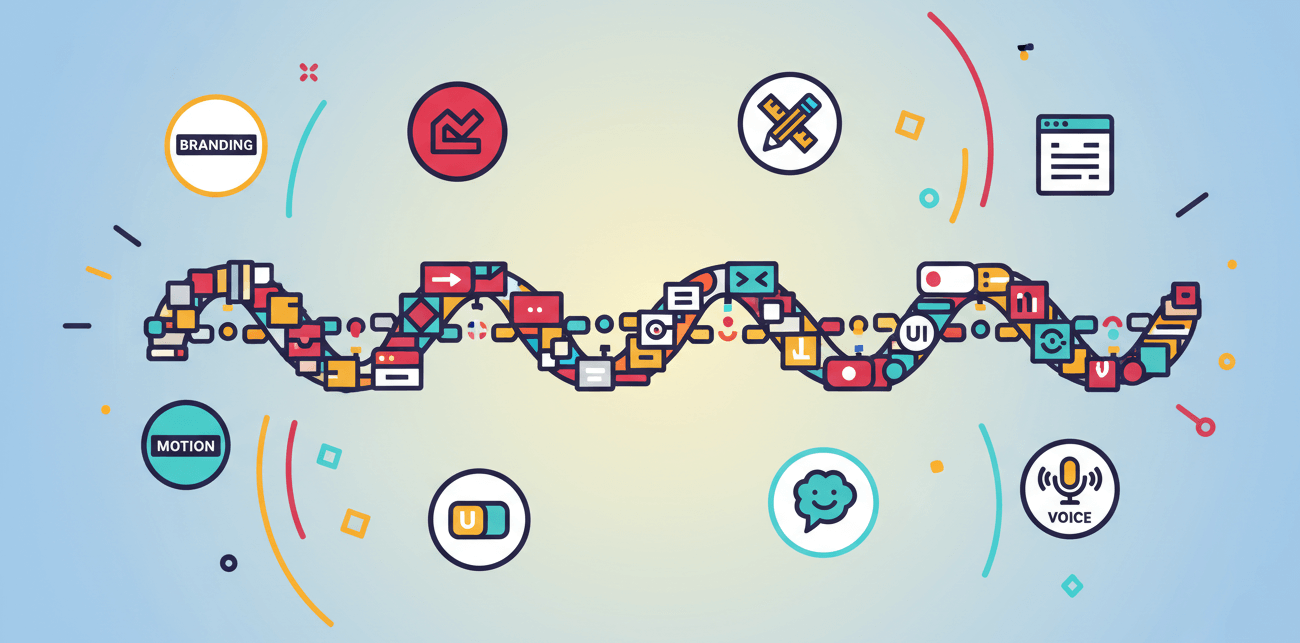
In the modern digital landscape, customer attention is fragmented across dozens of platforms, channels, and touchpoints. Brands that show up inconsistently — visually, verbally, or structurally — erode trust without realizing it. Meanwhile, brands that show up with clarity, cohesion, and consistency earn recognition, loyalty, and long-term value.
Integrated branding and design is the strategic practice of aligning every visual and experiential element under a unified creative system. It’s not about looking polished. It’s about creating a coherent identity that customers recognize instantly, understand intuitively, and remember long after the interaction ends.
This article explores why integration across branding and design is so critical, how it influences customer experience, and what businesses can do to build stronger, more recognizable brand ecosystems.
Why Consistency Is the Core of Brand Trust
Customers rely on patterns. They expect brands to act, sound, and look like themselves across every channel. When a brand breaks its own pattern — by changing tone, visual direction, or interaction styles — it creates friction.
Consistency communicates:
- Reliability
- Professionalism
- Strategic intent
- Emotional stability
- Brand maturity
Inconsistency communicates the opposite — even if the visuals look individually strong.
Branding and Design Are No Longer Separate Disciplines
Historically, branding teams handled logos, color palettes, and messaging while design teams handled execution and layout. Today, the most successful organizations have integrated these functions into a unified ecosystem.
Branding defines the system.
Design operationalizes the system.
The result is a cohesive experience that reinforces identity at every touchpoint.
Modern branding extends into:
- UX
- UI
- Motion design
- Illustration
- Voice and tone
- Web design
- Social content
- Product design
- Packaging
- Advertising
Everything becomes part of the brand narrative.
The Psychology Behind Integrated Design
Humans form judgments based on consistency. When the brain recognizes repeated visual or experiential patterns, it develops familiarity and trust.
Integrated branding triggers:
- Faster recognition
- Increased comfort
- Stronger recall
- Perception of professionalism
- Emotional connection
When a brand is visually scattered, customers subconsciously assume the company is disorganized. When the brand is aligned, they assume competence.
Why Consistency Leads to Higher Conversions
A unified design ecosystem is not just about aesthetics. It directly impacts performance metrics.
Consistency improves:
- Click-through rates
- Landing page conversions
- Social engagement
- Customer satisfaction
- Purchase confidence
When customers see repeated patterns across your marketing and product, they understand the brand more quickly and decide more confidently.
The Key Elements of Integrated Branding & Design
Strong integration requires alignment across multiple dimensions:
1. Visual Identity Systems
A good brand is not a logo — it is a system.
Your visual identity system should include:
- Primary and secondary colors
- Typography scales
- Iconography style
- Shape language
- Illustration guidelines
- Grid systems
- Layout logic
When these components are consistent, your brand feels stable and intentional.
2. Design Systems
Design systems extend the brand into the digital product environment.
They define:
- Buttons
- Input fields
- Navigation patterns
- Shadows and elevation
- Motion behavior
- Spacing rules
- Component usage
With a design system, UX and UI become aligned with core branding.
3. Tone & Voice Consistency
Brand voice must match brand visuals. Mixed signals — such as playful visuals with corporate tone — create friction.
Tone should be consistent across:
- Website copy
- Social media
- Email marketing
- Product language
- Customer support scripts
Integrated communication builds emotional trust.
4. Motion & Interaction Design
How a brand moves is part of its identity.
Motion must align with visual direction:
- Slow and smooth → premium, calm, elegant
- Fast and sharp → bold, technical, innovative
- Bouncy and playful → casual, friendly
Motion is the bridge between visuals and user experience.
5. Multi-Platform Alignment
Branding must survive context changes across:
- Desktop
- Mobile
- Apps
- Social
- Physical touchpoints
If the brand breaks across platforms, it breaks in the customer’s mind.
The Cost of Inconsistency (And Why It Hurts Brands)
When branding and design fail to integrate properly, brands experience:
1. Reduced recognition
Customers don’t connect experiences into a single brand narrative.
2. Lower trust
Inconsistent visuals imply unstable operations.
3. Confusing user journeys
Mixed UI patterns increase cognitive load.
4. Higher creative overhead
Teams waste time reinventing assets and debating design rules.
5. Damaged credibility
Brands look less professional, even when the product is good.
Integration eliminates these risks.
How Integrated Branding Accelerates Design Efficiency
Integrated systems free design teams from reinventing the wheel. Instead of creating visuals from scratch each time, designers rely on established components, rules, and patterns.
Benefits include:
- Faster production cycles
- Higher quality assets
- Fewer inconsistencies
- Lower revision volume
- More strategic creative output
Designers become more efficient — and more creative — because foundational decisions are predetermined.
Integrated Branding as a Competitive Advantage
Modern brands win through clarity. When a brand looks, sounds, and behaves consistently across channels, customers understand it more quickly. This clarity cuts through the noise of crowded markets.
Integrated brands:
- Stand out
- Convert better
- Build loyalty
- Command higher pricing
- Scale with intention
Inconsistency might feel harmless, but it erodes brand value silently. Consistency compounds it.
Real-World Examples of Integrated Branding
Apple
Unifies hardware, software, packaging, retail, UI, and advertising under one coherent system. Every touchpoint feels unmistakably Apple.
Airbnb
Its shape language, illustrations, and product UI share the same friendly, inclusive energy.
Figma
Its brand identity flows seamlessly from marketing to product to community materials.
Every interaction reinforces the same emotional promise.
How to Build an Integrated Brand Ecosystem
Brands that want to integrate design and branding should follow several key steps:
1. Define a strong brand strategy
Know what you stand for, who you’re serving, and what emotional experience you want to deliver.
2. Develop a modern identity system
Create a flexible yet consistent visual foundation.
3. Build a digital-forward design system
Ensure your identity translates into components and interactions.
4. Create cross-functional alignment
Brand, design, development, and marketing teams must share the same playbook.
5. Document everything
Guides, documentation, and libraries ensure scalability.
6. Evolve intentionally
Consistency doesn’t mean stagnation — it means evolving with purpose.
Final Thoughts: Integration Is the New Standard for Brand Excellence
In a world saturated with touchpoints, inconsistency is costly and clarity is priceless. Integrated branding and design create that clarity — turning scattered interactions into a cohesive brand journey.
Every visual.
Every word.
Every motion.
Every experience.
All aligned under one unified identity.
Brands that master integration build deeper trust, stronger recognition, and more meaningful connection with customers. Consistency is no longer a design preference — it is a strategic imperative.